
Works & Projects
A curated archive of choreographic works, dance films, performances, and artistic research by Femi Adebajo.
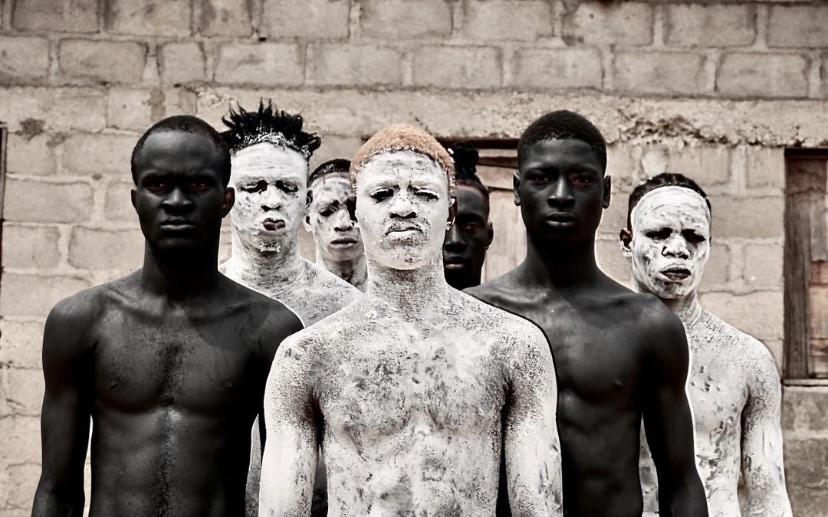
01 Yin Yang
Yin Yang is a dance film that explores the crossroads of choices, perspectives, and human reasoning. It challenges the notion that white represents only good and black represents only bad, instead highlighting their coexistence of positive and negative qualities.
Through contrasts, the work reflects on the complexity of lived experiences and the interconnectedness of opposites.
Watch Film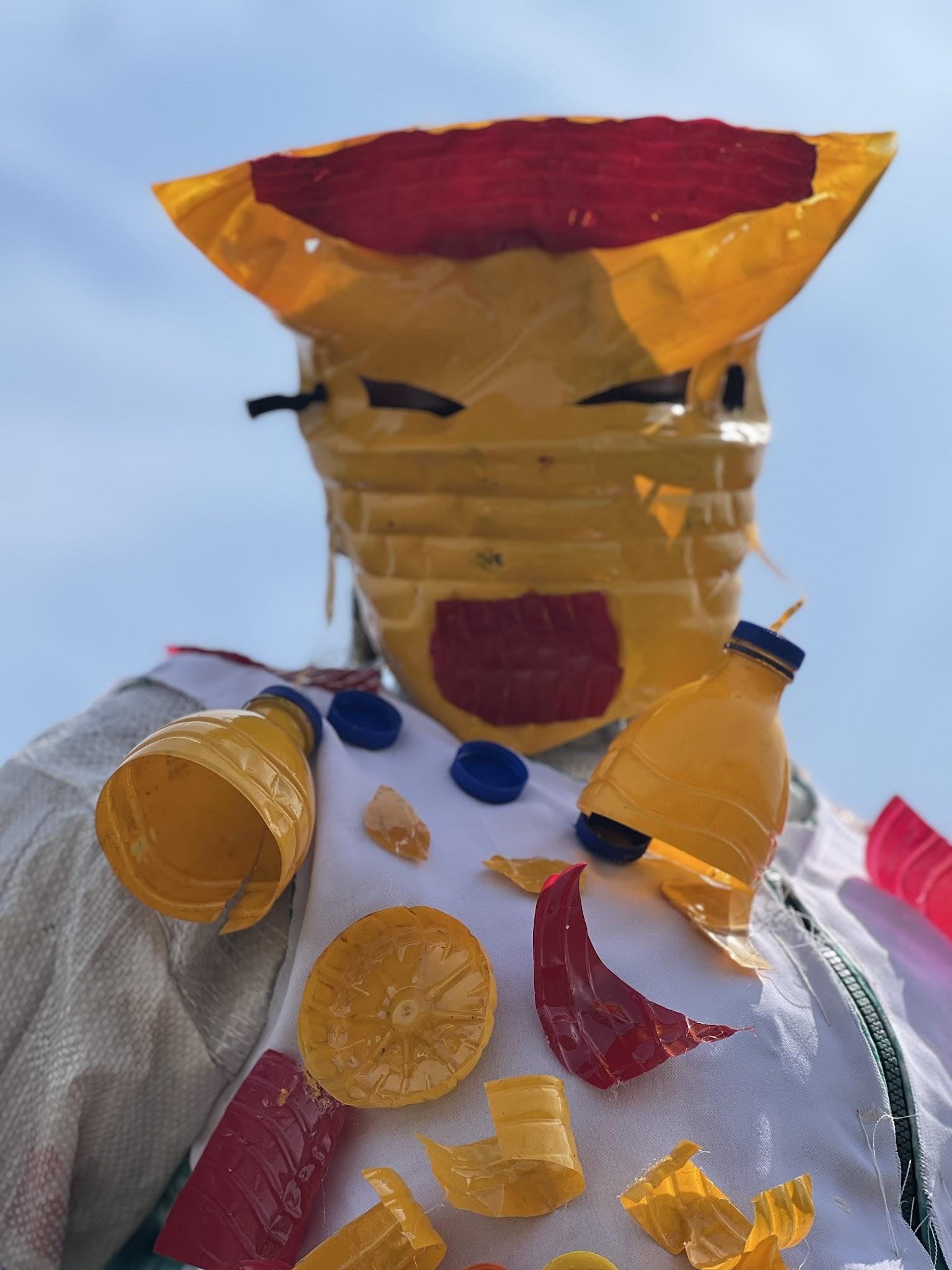
02 Atunbi
Àtúnbí (Yoruba for “rebirth”) is an exploration of how bodies, materials, and memories persist through cycles of disappearance and return. The project takes root in Yoruba cosmology, which views life not as linear but circular—where endings become beginnings and decay becomes transformation. Developed through a series of community workshops, Àtúnbí actively engaged local participants in the creative process. Together, we collected and transformed discarded plastic bottles and other waste materials into masks, costumes, and sculptural elements used in the performance. By reimagining discarded materials as vessels of creativity and meaning, the project connects environmental awareness with collective artistic expression. Through movement, craftsmanship, and shared storytelling, Àtúnbí reflects on renewal, resilience, and the possibility of new life emerging from what has been cast aside.
Watch Film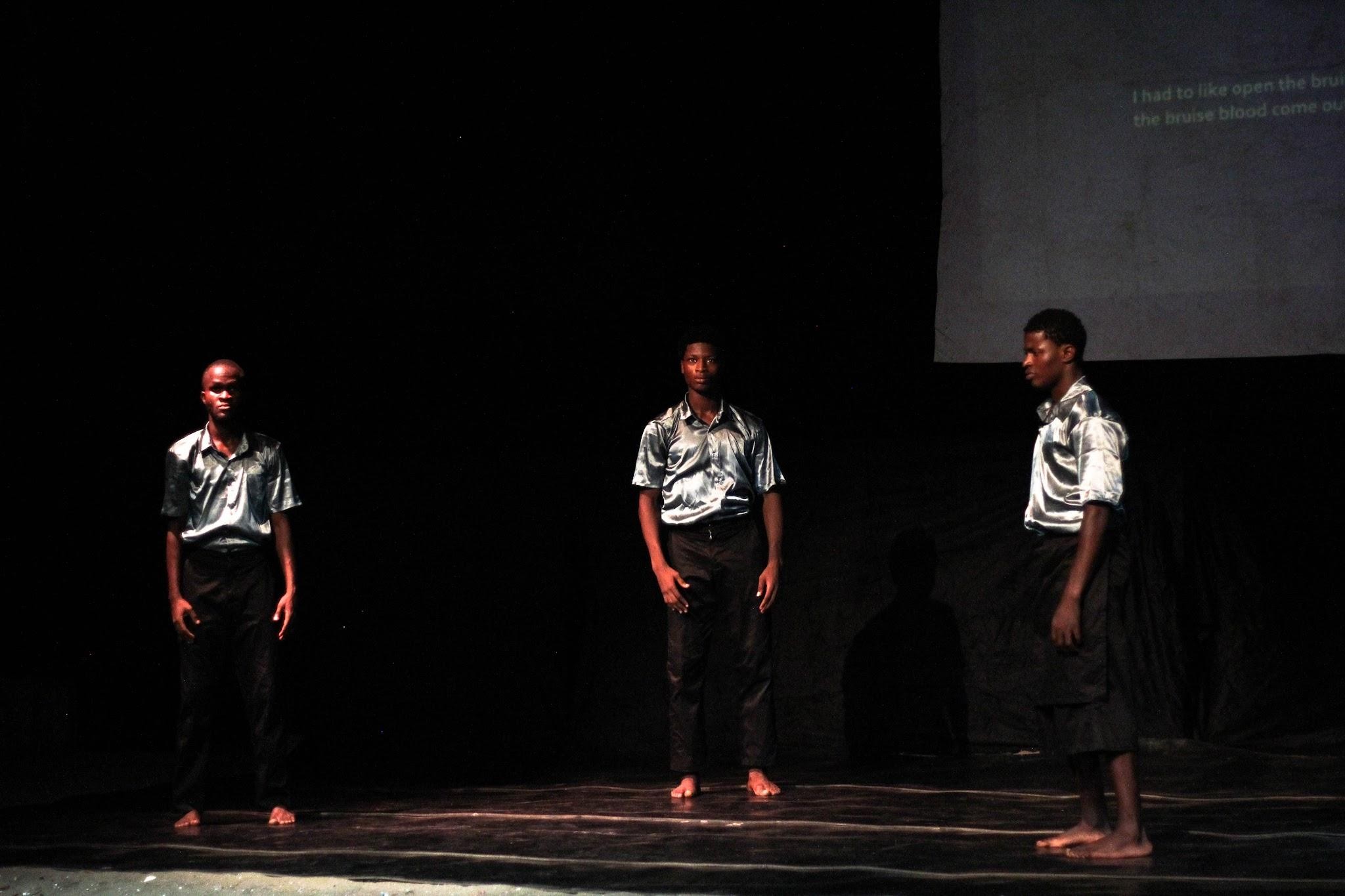
03 Come out
This choreographic piece was influenced by the loop tape composition by Steve Reich. The work draws from a recorded account of an incident involving a group of young boys on a spring day in 1964. Using sound as a repeating loop, the choreography explores themes of labour, endurance, pain, and collective memory. The repetitive structure of the sound becomes both a rhythmic and narrative device, shaping the movement language and evoking the emotional weight of the event. Through repetition, the piece reflects on how memories of such incidents persist, echoing through bodies, voices, and time.
Watch Film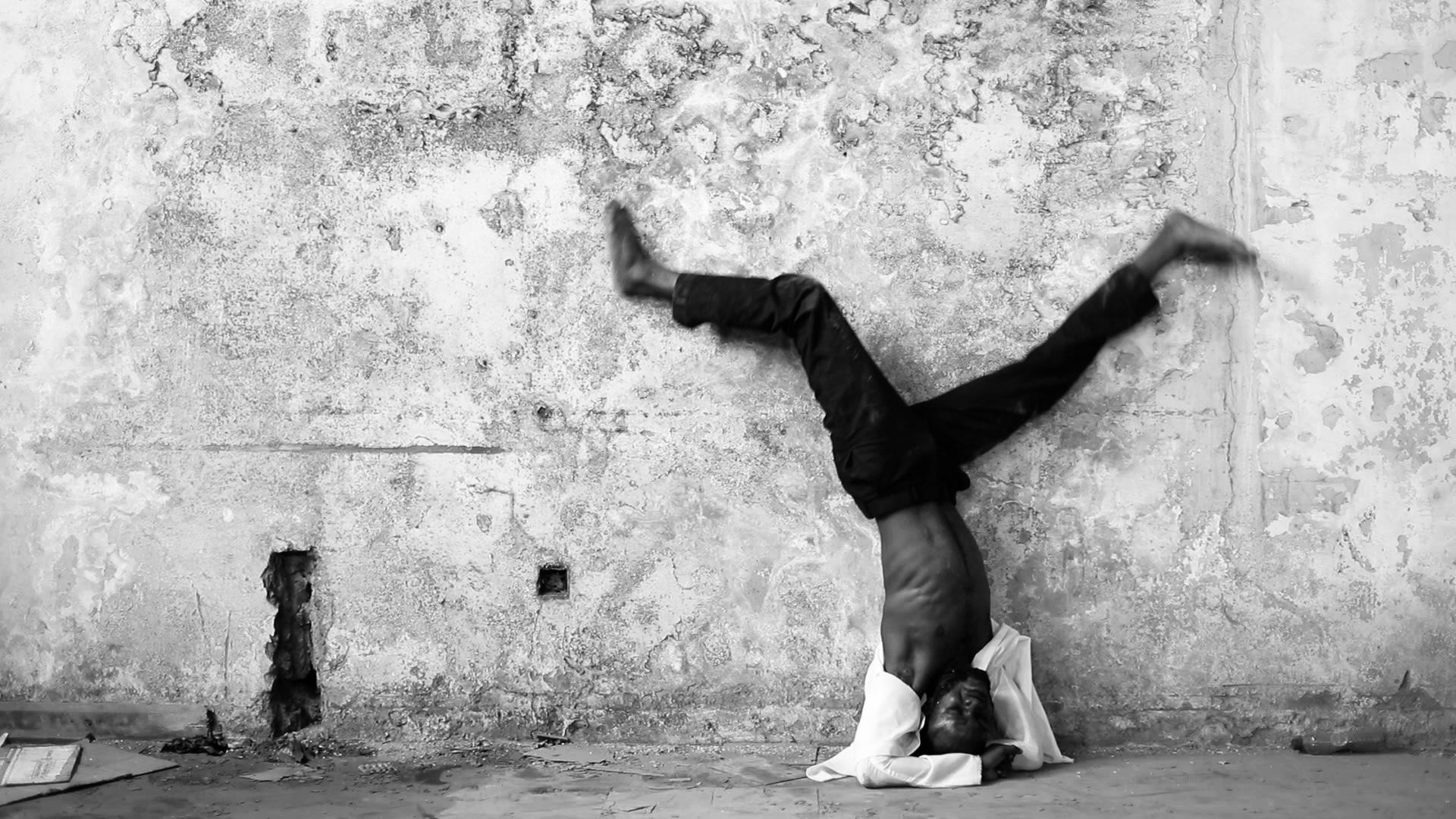
04 Echoes
“Echoes" is a dance film that provides a creative representation of the concept of pressure and its influence on both the physical bodies and mental states of individuals. Through dance and visual storytelling, the film showcases how the burdens and demands of life can affect people in various ways, both physically and emotionally. It aims to offer a powerful and artistic insight into the human experience, highlighting the effects of pressure and its significance in our lives…
Watch Film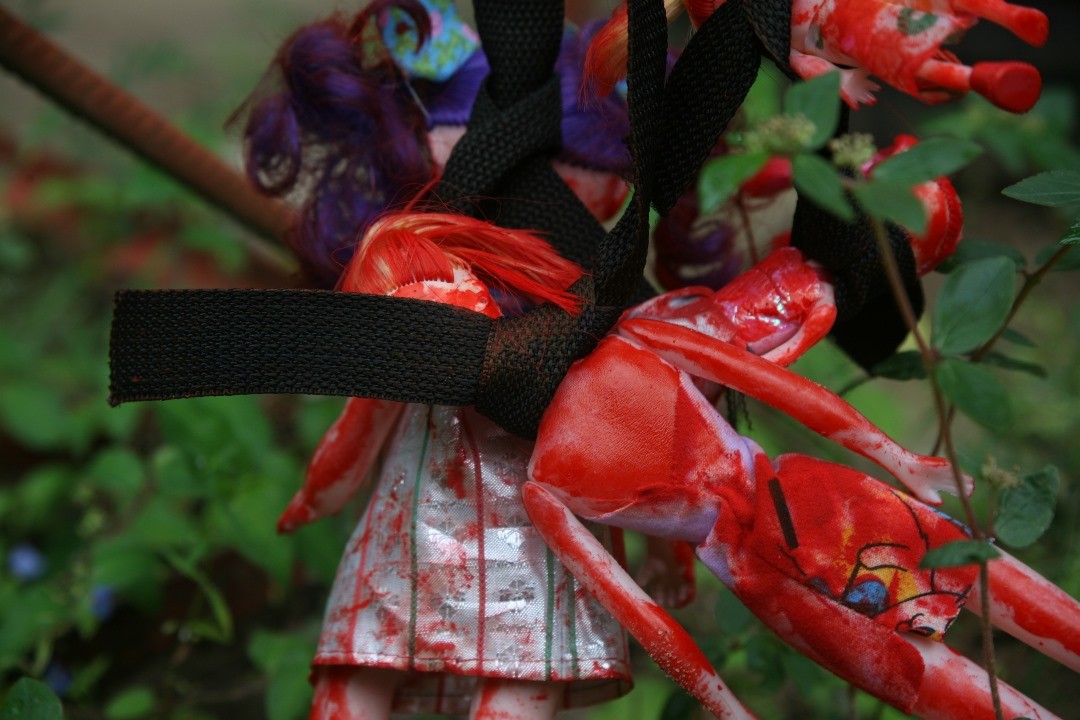
05 The Color Red Years
In this project, the aim is to explore and address the human tendency towards violence. The project seeks to delve into the nature of this destructive energy and how it manifests in individuals and society at large. The color red is used as a metaphor for this energy, symbolizing its intensity and power. The project acknowledges that the energy that motivates violent behavior can also be harnessed in positive ways. By shifting this energy towards positive expressions, individuals can tap into their inner strength and creativity. The project seeks to start a dialogue about the human attitude towards violence. By initiating discussions and encouraging reflection, it aims to raise awareness of the destructive impact of violence and encourage individuals to take positive action to address it. Overall, this project is an exploration of the complex and multifaceted nature of human behavior, and an attempt to promote understanding and positive change. It invites individuals to reflect on their own attitudes towards violence and to consider how they can channel their energy towards positive ends.
Watch Film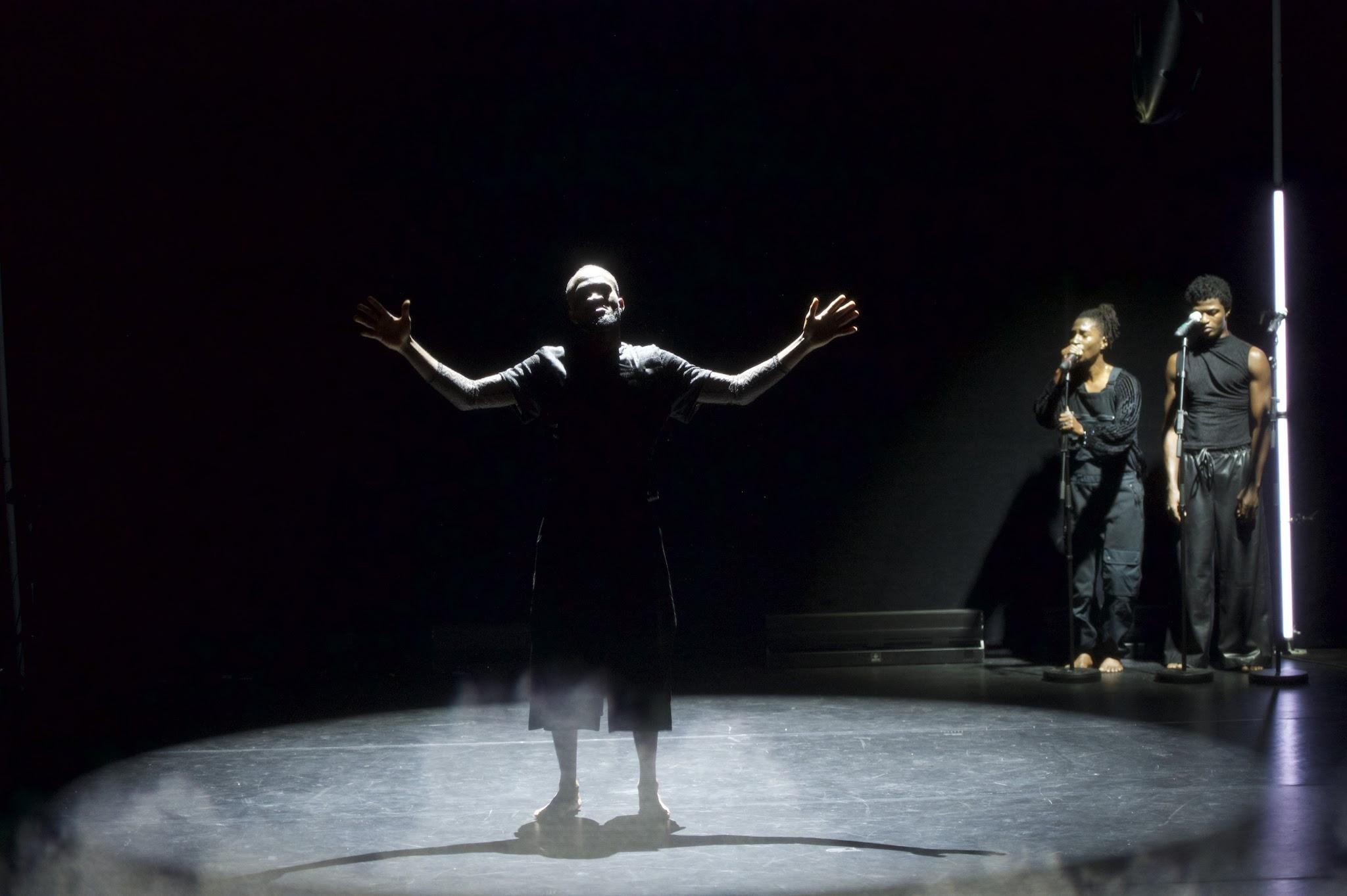
06 Passage
Our existence is intertwined with the ever-changing nature of time, space,and situations in different moments. This choreographic piece weaves a narrative of existence, potency, humanity, serendipity. It delves into the crucial triad of human experiences, the day of our arrival, the revelation of our purpose, and the indelible impact we make before departing. we cannot precisely predict the future, its course, and the intricate connections between our body (ara). (emi) life giving element, and Spiritual head (ori), which is thought to be responsible for human destiny. In this choreographic creation, the movements take us on a journey expressing the moments before the beginning and the end of a cycle, this also help delve into various moments observing how the body reacts to different situations, and ultimately symbolizes life's journey as a climb. This creation also aims to evoke deep emotions and connections exploring the essence of the human experience Through sound, and complex relationship between external factors and how they shape our physical existence. The performance promises to provide audiences with a moving and powerful experience that allows them to reflect on their own journey through life and tl profound connections between our inner selves and the world around us.
Watch Film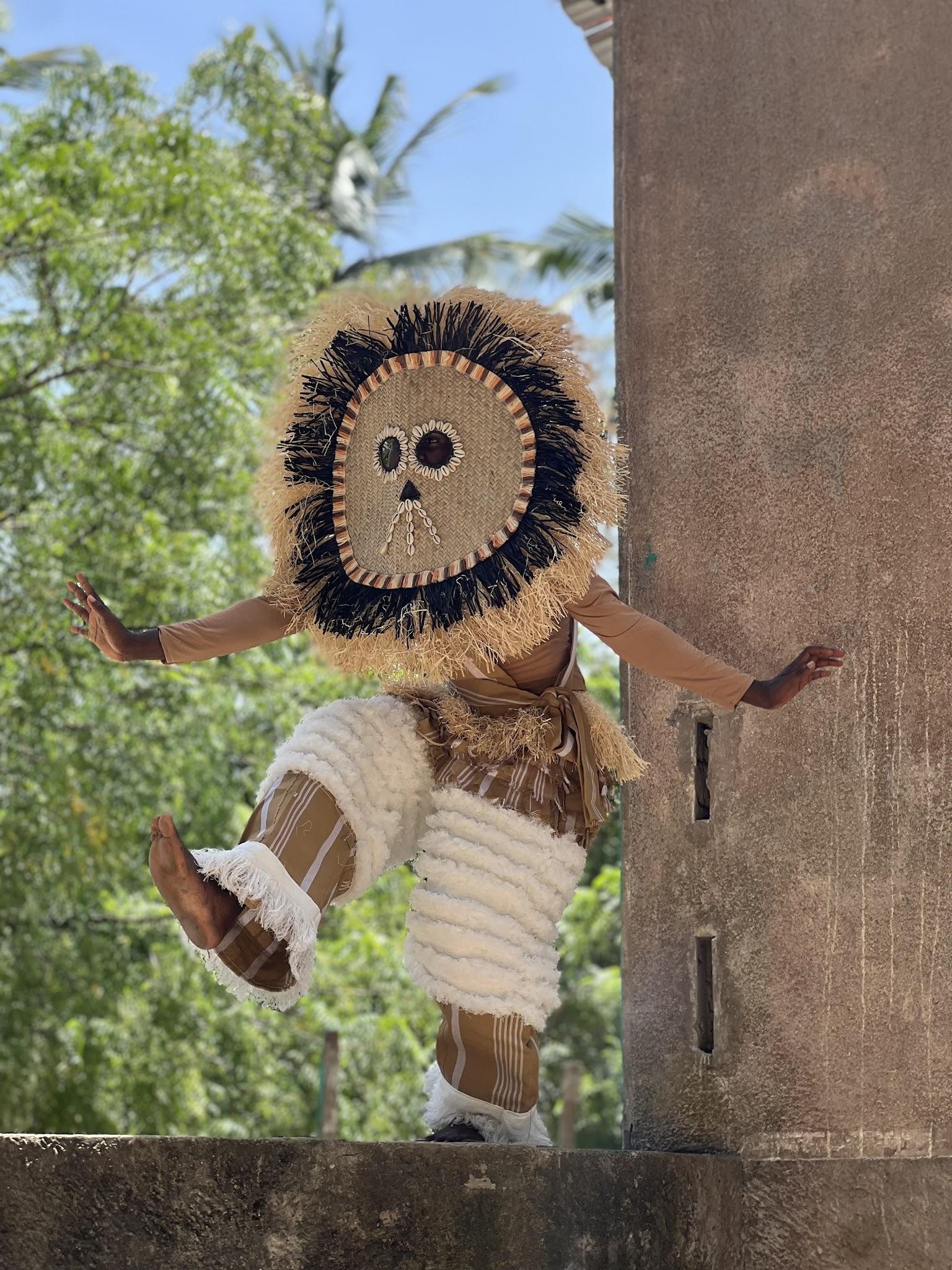
07 Until We Remain
Until We Remain is a dance film that reimagines the Yoruba concept of Abíkú as both a personal myth and a national metaphor. Traditionally understood as a spirit child caught in cycles of return, the Abíkú becomes a symbol of repeated becoming, un-becoming, and unfinished existence. The film extends this idea to contemporary society, asking what it means to live within endless cycles of hope, progress, collapse, and return. It proposes that our nation itself behaves like an Abíkú—circling the promise of arrival without fully inhabiting it. Through movement, sound, visuals, and ritual, the dancers embody states of presence and disappearance, transforming their bodies into sites of memory and resilience. At its heart, the work asks a simple but urgent question: What would it take to remain? Until We Remain is a meditation on return, endurance, and the possibility of breaking the cycle.
Watch Film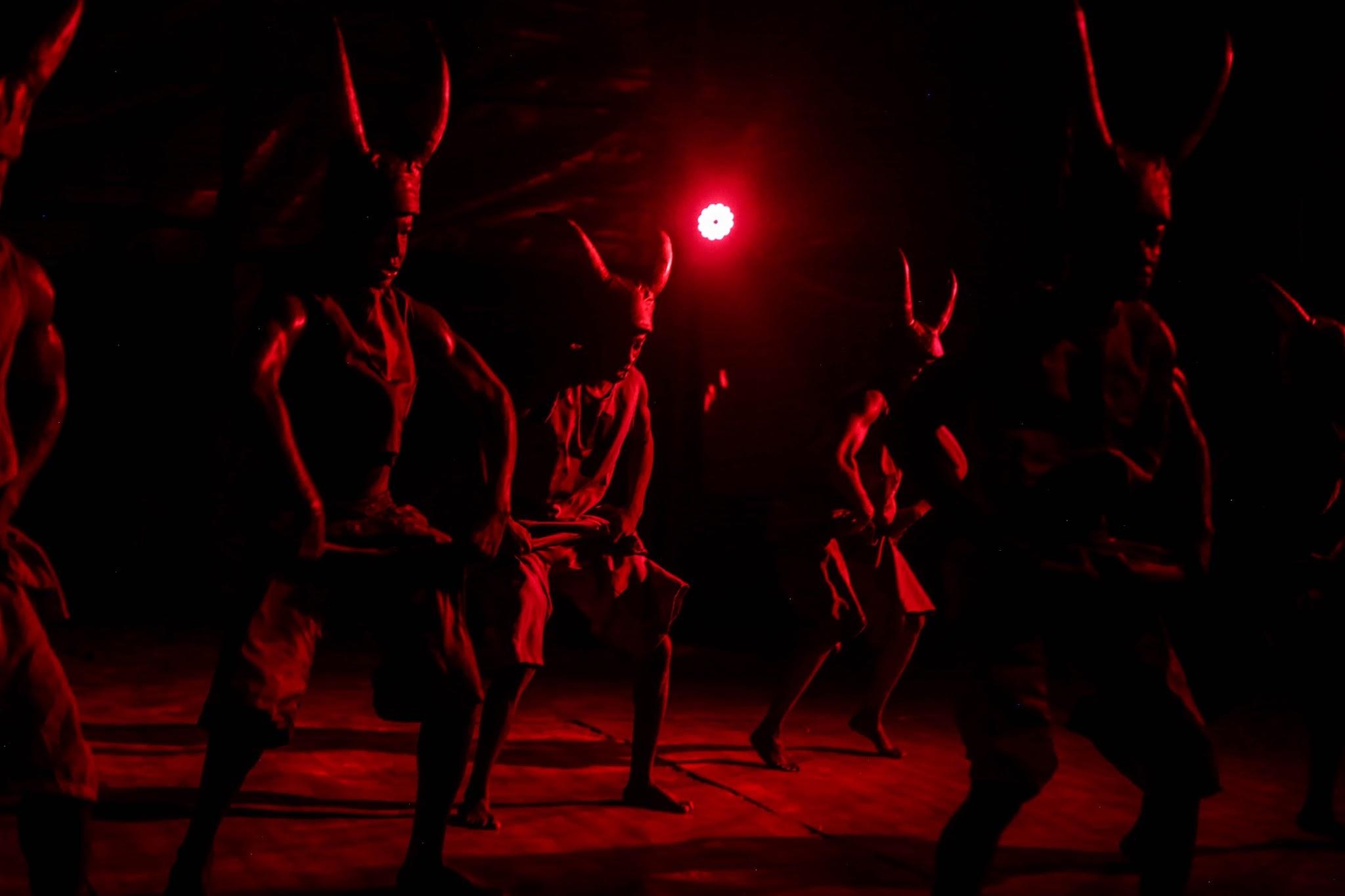
08 Labe Orule
La be orule is a performance that explores what it means to live in a world that is always under pressure. It looks at the body, not just as something that moves, but as something that remembers. A body that holds stress, carries history, and keeps going even when the systems around it begin to fall apart. The work is influenced by the daily intensity and rhythm of Lagos — the heat, the speed, the noise, the constant negotiation for space and breath. But this is not just about Lagos. It speaks to any place where people are pushed to keep moving, even when the ground beneath them is unstable. The dance is built from a mix of contemporary dance, Nigerian street-style movement, traditional steps and poetry. It’s layered with chanting, sound textures, projected words, and visual elements that shift the space. The dancers move through a space that feels like it’s breaking and holding at the same time — like a city, like a memory, like a body. it creating a feeling — a shared atmosphere of tension, breath, and persistence.It becomes a ritual for those who live inside pressure but still find ways to move.
Watch Film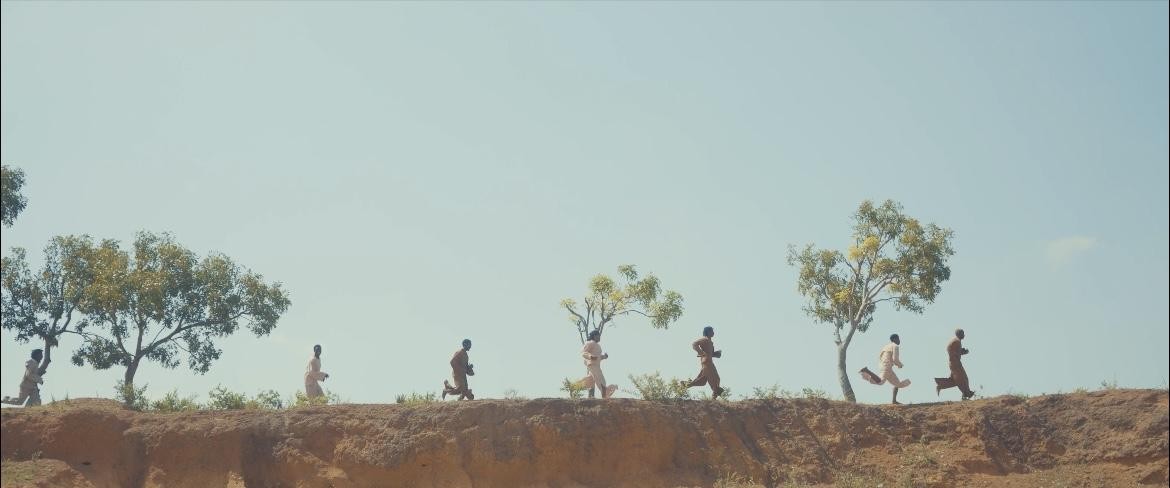
09 Memory in Transit
Memory in Transit is a dance film exploring how memory moves across land, through architecture, and within the body itself. Filmed in Zaria — a city where desert edges meet centuries of history — the work unfolds across courtyards, walls, markets, and open sky. The film weaves nomadic rhythms with embodied reflection. Migration gestures — walking, carrying, unfolding — merge with the silent archives inscribed in the body,scars, reflexes, postures of prayer, daily survival. Architecture becomes both stage and witness: walls that remember empires, mosques that echo devotion, ruins that hold colonial residue. Choreography emerges as memory in motion, repetition that comforts, eruptions that betray, reflections that distort. Through fabric, mirrors, and sand, the dancers navigate what it means to carry memory — not only across deserts, but within flesh. Memory in Transit is a meditation on transition: how bodies become vessels of what has been endured, inherited, and imagined; how the landscape mirrors our own fragility; how memory, restless and unstill, survives by moving.
Watch Film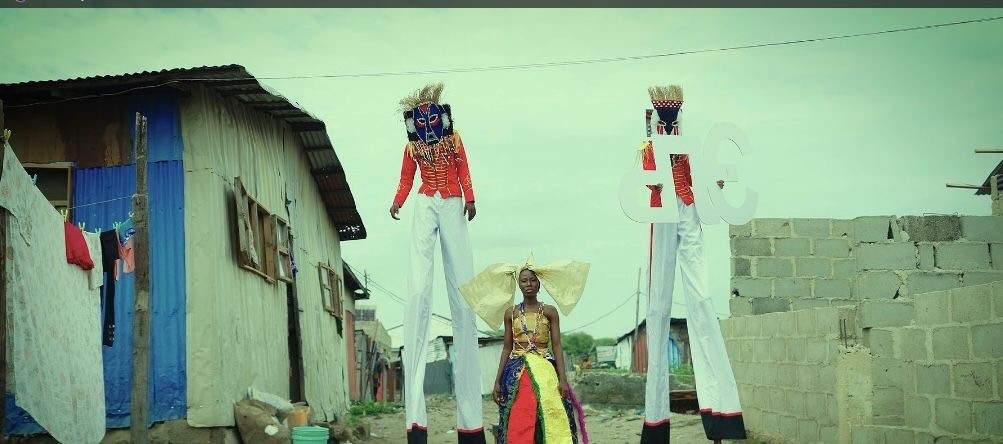
10 Aroko
This dance film is a choreographic interpretation of Plane 6b from Velimir Khlebnikov's Zangezi text. In this film letters break free from words and appear as living beings - each with a body, a voice, and a destiny. Through dance, the body itself becomes the alphabet, gestures carry the weight of syllables, rhythms turn into speech, and letters emerge as characters, each with its own texture, vibration, and pulse
Watch Film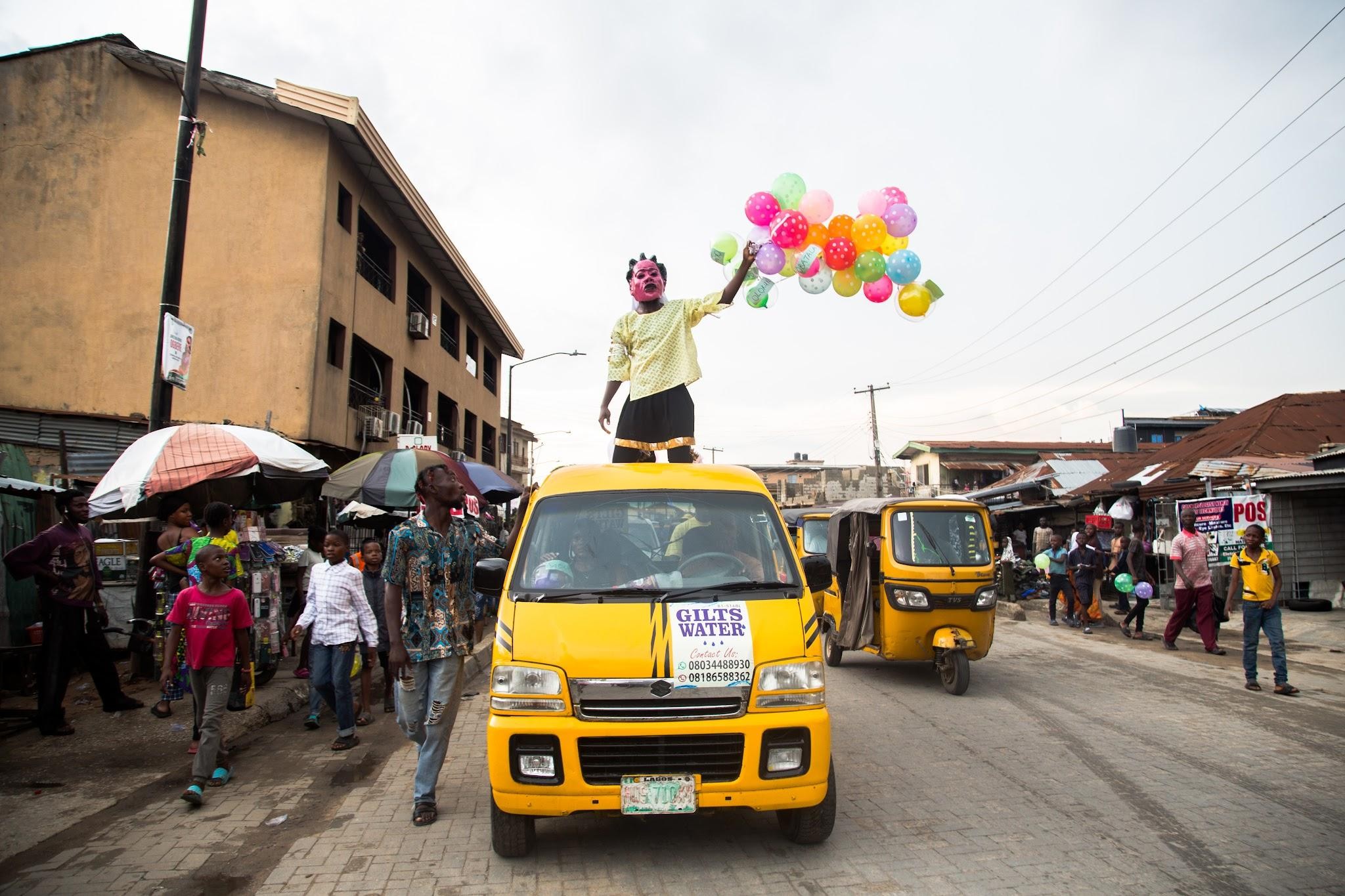
11 Gẹ̀lẹ̀dẹ̀: Beyond Binary
Gelede (Beyond Binary) is a choreographic exploration that draws inspiration from the Yoruba Gelede masquerade tradition to examine African gender fluidity and challenge colonial narratives surrounding gender fluidity. Rooted in indigenous Yoruba perspectives, the piece delves into concepts of gender fluidity as embodied in the Gelede masquerade, reinterpreting these themes within a contemporary performance framework. the Gelede mask, a headdress traditionally worn by male performers to honor the ‘Mothers,’ powerful female spiritual forces in Yoruba cosmology. Creating a mask in memory of my grandmother served as a deeply personal entry point into this tradition. Her spirit permeates the piece, prompting reflection on the transmission of gender roles, queerness, and ancestral memory across generations, cultures, and silences. This project positions the space between the mask as a potent lens for interrogating rigid gender binaries. It investigates how the inherent fluidity within the Gelede tradition was disrupted by colonial influences and seeks to reclaim and rejuvenate these narratives in a modern context. Through this work, I aim to illuminate how indigenous African societies historically embraced gender diversity, offering valuable insights to global conversations on gender and queerness today. The piece integrates movement sequences, video documentation, and text-based narratives. By juxtaposing the ritualistic performance of the Gelede with contemporary choreographic forms, it crafts a fluid, dynamic narrative that challenges normative gender constructs. The deliberate use of space, costume, and masks plays a crucial role in visually reimagining the Gelede tradition within a modern aesthetic.
Watch Film